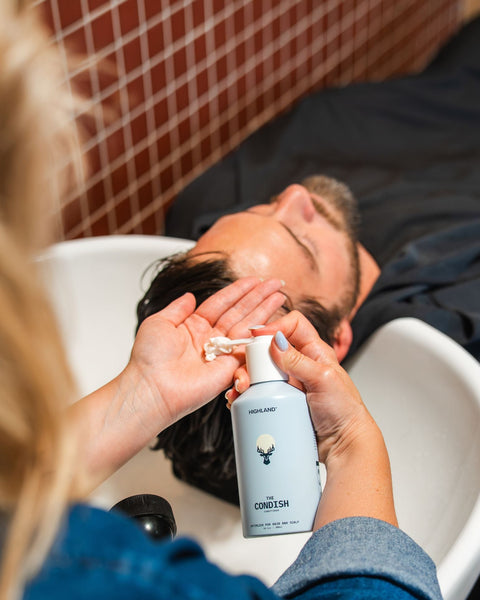
How to Condition Hair Based on Your Hair Type
Most people treat conditioner like an afterthought (we can't understand it). Shampoo in, rinse out, maybe condition if there's time. But skipping it, or using it wrong, is one of the fastest ways to end up with dry, frizzy, hard-to-manage hair.
Every time you wash your hair, the cuticle lifts slightly. Without conditioner to smooth it back down, you lose moisture, pick up frizz, and invite breakage.
Conditioner does the work your shampoo can't.
This how-to covers everything you need to know: how to use conditioner correctly, how often to condition based on your hair type, what ingredients matter, and how to find a formula that works for you.
Stop guessing and start conditioning right. Shop The Condish and gift yourself with noticeably better hair days.
What Does Conditioner Do?
Conditioner restores what washing can strip away.
Shampoo lifts dirt, oil, and buildup from your scalp and strands. That's its job.
But the process also leaves the hair cuticle open and vulnerable. Conditioner smooths it back down, replenishes moisture, and helps each strand hold up to the stress of daily styling.
Research confirms that conditioners reduce friction between hair fibers, improve combability, and help protect against mechanical damage from brushing and styling.¹
In short: conditioner isn't optional! It keeps your hair feeling soft, looking healthy, and breaking less.
The Main Benefits of Conditioner
Hydration
Washing, heat styling, and everyday exposure dry your hair out. Conditioner puts moisture back in.
Hair that stays hydrated feels softer, looks shinier, and holds up better over time.
Detangling
A smooth cuticle means less friction between strands. That means fewer knots, less breakage when you brush, and a whole lot less pain after washing.
Frizz Control
When the cuticle is raised or damaged, moisture moves in and out unevenly. That's frizz.
Conditioner smooths the outer layer of the hair so your strands stay aligned and polished.
Protection Against Breakage
Your hair takes a beating every day. Brushing, tying back, rubbing against fabric.
Conditioner reduces the friction that causes that kind of mechanical damage, which adds up fast without protection.
Easier Styling
Conditioned hair is simply easier to work with. Whether you're after a clean part, defined curls, or just hair that behaves, conditioning makes every style easier to achieve and hold.
How to Condition Hair Properly
Using conditioner is simple, but a few small adjustments make a big difference in how your hair looks and feels.
1. Start With Clean, Wet Hair
Conditioner works best after cleansing. Once you've rinsed out your shampoo, gently squeeze excess water from your hair.
This helps the conditioner stay on the hair instead of immediately washing away.
2. Focus on Mid-Lengths and Ends
For most hair types, the mid-lengths and ends need the most moisture and protection.
Apply conditioner evenly through these areas, paying extra attention to dry, damaged, or color-treated sections. If your scalp feels dry, you may choose to work a small amount closer to the roots as well.
3. Let It Sit for a Few Minutes
Resist the urge to rinse immediately.
Allowing conditioner to sit for one to three minutes gives conditioning ingredients time to coat the hair and support hydration, softness, and manageability.
4. Rinse Thoroughly
Rinse with lukewarm water until your hair feels smooth but not slippery.
A proper rinse removes excess product while leaving behind the conditioning benefits your hair needs.
5. Adjust Based on Your Hair Type
Not all hair has the same needs.
Fine hair often benefits from lightweight formulas and smaller amounts of product. Thicker, curlier, or drier hair typically requires more moisture and longer conditioning times.
At Highland, we believe great hair starts with the right care.

How Often Should You Condition Your Hair?
There's no set conditioning schedule.
The right frequency depends on your hair type, texture, styling habits, and overall moisture needs. Some people benefit from conditioning every time they wash. Others need a richer routine to help combat dryness, frizz, or damage.
Straight Hair
Straight hair distributes natural oils better than other textures, so it's less likely to get dry. Conditioning after every wash works well for most people.
If your hair feels flat or heavy, focus the product on mid-lengths and ends rather than close to the roots.
Fine Hair
Fine hair can lead to buildup real quick. A lightweight formula applied to the ends only usually delivers the hydration you need without weighing your hair down or making it difficult to style.
Wavy Hair
Wavy hair sits between straight and curly in terms of moisture needs. It's more prone to frizz than straight hair and benefits from conditioning every wash to keep waves manageable.
Curly and Coily Hair
Curly and coily hair is naturally drier because oils have a harder time traveling down the twists and turns of each strand. Conditioning every wash is often essential for these hair types.
Deep conditioning treatments are also worth adding regularly to maintain softness and reduce breakage.
Dry or Damaged Hair
Overprocessed, color-treated, or heat-damaged hair needs consistent moisture to stay manageable and resist further breakage.
Look for formulas with botanical oils, conditioning proteins, and humectants. These ingredients go deeper than surface coating.
Common Conditioning Mistakes to Avoid
Even a great conditioner won't deliver results if you're using it wrong. If your hair still feels dry, frizzy, heavy, or unmanageable, one of these could be the reason.
Skipping Conditioner Altogether
People skip conditioner to avoid greasy hair or buildup. The result is usually the opposite of what they wanted: harder to detangle, more frizz, more breakage.
A properly matched conditioner keeps your hair balanced. It doesn't weigh it down.
Using Too Much Product
More isn't always better. Overdoing it leads to buildup, especially on fine or straight hair. Start with a smaller amount and add more as you go.
Rinsing Too Quickly
If you rinse it out immediately, you're leaving most of the benefit in the drain. Give it at least one to three minutes before rinsing.
Applying Conditioner Only to the Roots
The roots don't need conditioning the way your ends do. Concentrate on mid-lengths and ends, then adjust based on your hair type.
Choosing the Wrong Formula
A lightweight formula that works for fine hair won't cut it for curly or damaged strands. And a rich formula designed for dry hair will feel too heavy on finer textures.
Matching the formula to your hair type matters.
Ignoring Ingredient Quality
Not all conditioners are created equal.
Many traditional formulas rely on heavy silicones (boo!) that temporarily coat the hair without addressing long-term moisture needs. Looking for conditioners that contain nourishing oils, proteins, and moisture-supporting ingredients often leads to healthier-looking results over time.
If ingredient quality matters to you, choosing a sulfate free conditioner is a good place to start.
No silicones or sulfates. Just real hydration. Shop The Shower Ritual featuring Highland's The Wash and The Condish.
What Ingredients Should You Look for in a Conditioner?
The right ingredients make the difference between a conditioner that actually works and one that just makes your hair feel temporarily soft. Know what you're looking for.
Humectants
Glycerin, panthenol, and Aquaxyl™ attract water from the air and help your hair hold onto it. If your hair is dry, rough, or prone to frizz, these are the ingredients doing the heavy lifting.
Conditioning Proteins
Hydrolyzed proteins, including hydrolyzed jojoba protein, bond to the hair shaft and help smooth damaged areas of the cuticle.
Color-treated, heat-styled, or chemically processed hair responds especially well to protein-rich formulas.
Botanical Oils and Butters
Babassu oil, argan oil, and cupuaçu butter nourish hair and support moisture retention without leaving a heavy residue.
Research published in the Journal of Cosmetics, Dermatological Sciences and Applications found that cupuaçu butter reduced protein loss in color-treated hair by 35%.²
Scalp-Supporting Ingredients
Rosemary oil, caffeine, and biotin are all linked to scalp wellness and stronger-looking hair. If your scalp health is a priority, these are worth seeking out in a formula.
Sulfate-Free Formulas
Many people focus on shampoo when discussing sulfates, but conditioner formulas matter too.
A sulfate free conditioner pairs well with a gentle cleansing routine and helps with moisture retention and color longevity. This is particularly important for color-treated, dry, curly, or damaged hair.
Ingredients Worth Avoiding
Heavy silicones and synthetic fillers like dimethicone, amodimethicone, and petrolatum create the illusion of soft hair without supporting hair health. Over time, they build up and leave hair looking dull and feeling weighed down.
If ingredient quality matters to you, choosing a sulfate-free conditioner is a solid starting point.
Is Natural Conditioner Better?
Typically, but a natural label doesn't guarantee better performance. What matters is the quality of the ingredients and how well the formula is built.
Traditional conditioners often rely on silicones to create immediate softness. They work for some people. But they also cause buildup and leave hair feeling heavier over time.
Modern formulas take a different approach. Instead of coating the hair with synthetics, they use botanical oils, plant-based proteins, humectants, and nourishing butters to support real, lasting hydration.
Whatever formula you choose, here's what good conditioning should deliver:
Hydration without heavy residue
Better detangling and easier styling
Less frizz and fewer flyaways
Scalp comfort
Results that match your hair type and routine
Choosing the Right Conditioner for Your Hair Type
Fine hair needs a lightweight formula that hydrates without adding heaviness.
Curly and coily hair needs richer moisture to combat dryness and reduce frizz.
Dry, damaged, or color-treated hair needs botanical oils, proteins, and moisturizing butters to restore what's been lost.
Judge the formula by how your hair feels once it's fully dry. Signs you've found a good match:
Softer, smoother texture
Easier detangling and styling
Less frizz and fewer flyaways
Hydrated without feeling greasy
If your hair feels heavy, limp, coated, or dry, the formula isn't the right fit. Adjust the product or the amount you're using. The goal is hair that consistently feels balanced and healthy after every wash.
Why We Made The Condish
Most conditioners fall into one of two traps.
Some perform well but rely on silicones and synthetic fillers that coat the hair without actually nourishing it. Others go all-natural but can't deliver the softness, slip, and hydration people expect from a great conditioner.
We wanted both: high performance and real ingredients. No compromises.
Built for Performance and Hair Health
The Condish was formulated with a thoughtful blend of botanical oils, moisturizing butters, conditioning proteins, and scalp-supporting ingredients.
No silicones. No sulfates. No synthetic fragrances. No fillers.
Ingredients like cupuaçu butter, Amazonian babassu oil, hydrolyzed jojoba protein, rosemary oil, caffeine, and Aquaxyl™ were chosen because they support both performance and long-term hair health.
Your hair gets softer, more manageable, and more hydrated. Your scalp gets the attention it needs.
The result is a conditioner built for all hair types that leaves your hair soft, manageable, and hydrated after every wash. No heaviness or buildup. Just better hair days.
FAQs
How long should you leave conditioner in your hair?
One to three minutes is plenty for most rinse-out conditioners. That's enough time for the conditioning ingredients to coat the hair and support softness and hydration.
Always follow the instructions on your product, since some formulas are designed for longer treatments.
Should you condition your hair every day?
Depends on how often you wash. Conditioning every time you shampoo works for most people.
Curly, coily, dry, color-treated, or damaged hair often responds especially well to consistent conditioning because those hair types need more moisture and protection.
Do you put conditioner on your scalp?
For most hair types, focus on mid-lengths and ends. People with dry scalps or very textured hair may benefit from working a small amount closer to the roots.
It depends on your hair type, scalp condition, and the formula you're using.
What happens if you stop using conditioner?
Without conditioner, hair becomes harder to detangle, more prone to frizz, and more susceptible to breakage from everyday brushing and styling.
Conditioner reduces friction between strands and helps hair retain the moisture it needs to stay healthy.
Is leave-in conditioner the same as regular conditioner?
No. Rinse-out conditioner is designed to be rinsed after a few minutes. Leave-in conditioner stays on the hair after washing.
Both serve different purposes, and some people use both as part of their routine.
Does conditioner help with frizz?
Yup. Conditioner smooths the outer layer of the hair and improves moisture balance, both of which directly reduce frizz. Consistent conditioning is one of the simplest ways to improve your hair's appearance and manageability.
Does conditioner help damaged hair?
Conditioner can't reverse existing damage, but it significantly improves the appearance and feel of damaged hair and reduces the additional stress caused by styling and environmental exposure.
Proteins, botanical oils, and moisturizing agents are particularly helpful for damaged strands.
Ready for Better Hair Days?
Good hair doesn't require a complicated routine. The right conditioner does the work for you. Less frizz, easier styling, more hydration, and hair that actually holds up.
No silicones, no sulfates, no synthetic fragrances. Highland uses real ingredients that support healthier hair.
References
1. Gavazzoni Dias MF. Hair conditioners: What they are and how they work. *International Journal of Trichology*. Available via PubMed Central: https://pmc.ncbi.nlm.nih.gov/articles/PMC9921463/
2. Faria E, Mercadante AZ, Maia Campos PMBG. Hair protective effect of cupuaçu butter post treatment with hair dye. *Journal of Cosmetics, Dermatological Sciences and Applications*.
Make it Highland
The Condish
Deeply hydrates, strengthens, detangles, and protects your hair against frizz.
The Wash
Deeply hydrates, detoxifies, and enriches your hair.
Pomade
For sleek, structured styles that hold their shape.

Hair Cream
For effortless, touchable styles with natural movement.

Want Only the Best for Your Hair?