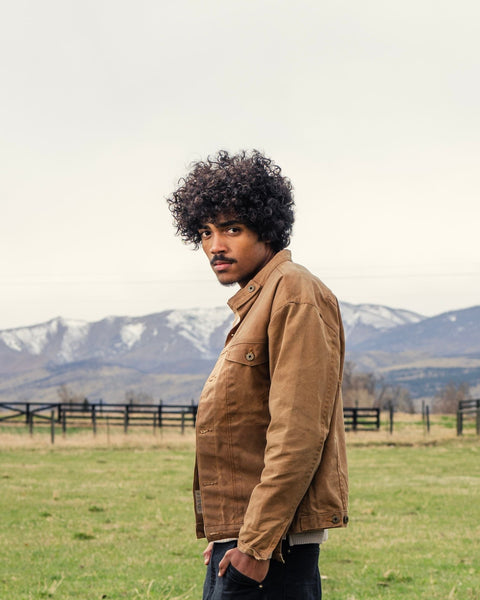
Coarse Hair & the Best Ways to Care for It
Coarse hair gets talked about like it’s something you need to “fix," but that’s the wrong mindset.
Coarse hair has a larger strand diameter, and that changes how it looks, feels, and behaves.
If you’re dealing with hair textures and styles that never seem to sit right, coarse hair can seem difficult.
But it has real advantages that tend to fly under the radar. It can have a lot more presence, more structure, and better hold once it’s shaped and cared for the right way.
That’s why we crafted Glacial Clay Pomade and Glacial Cream, which are both designed to work with your hair, rather than against it.
Part of our full hair type classification guide covering all hair types and styles.
What Is Coarse Hair?
Coarse hair refers to the thickness of each individual strand. A single hair shaft has a wider diameter than fine or medium hair. That’s the definition, and it matters more than how much hair you have overall.
🌱 Fine hair typically feels soft and light.
🌱 Medium hair sits in between.
🌱 Coarse hair feels firmer, rougher, or more rigid when you rub a strand between your fingers, feeling more durable.
The tradeoff is that it can be harder to bend, smooth, or reshape. That’s why it may fight you at first, then hold a style really well once it’s set.
Coarse Hair vs Thick Hair vs Curly Hair
Coarse, thick, and curly get lumped together, but they measure different things. Knowing which one you’re dealing with makes choosing the right cut, routine, and products way easier.
Coarse Hair
Coarse hair describes the thickness of each individual strand. The strands feel sturdy and rigid compared to fine or medium hair.
Common struggles
- Dryness
- Stiffness
- Frizz
What helps
- More moisture
- Conditioning products
- Smoothing creams and styling products
Thick Hair
Thick hair refers to density, meaning you have a lot of hair growing from your scalp. Hair often looks very full and voluminous.
Common struggles
- Excess bulk
- Difficulty creating shape
- Longer styling time
What helps
- Layers
- Tapering
- Debulking techniques
- Strategic haircuts
Curly Hair
Curly hair describes the shape or pattern of the hair strand. It can range from loose waves to tight coils.
Common struggles
- Frizz
- Loss of curl definition
- Shrinkage
What helps
- Moisture-rich products
- Curl-supporting styling products
- Techniques that enhance natural curl patterns
Frequent Complaints with Coarse Hair
Dryness
Coarse hair tends to feel dry because scalp oils don’t spread evenly down thicker strands. It’s even more noticeable with waves or curls, where the texture slows oil travel. That leaves mid-lengths and ends feeling rough.
Over-washing only makes it worse. Harsh shampoos strip what little oil you have, making your hair feel stiffer and look dull.
🧴 Don't call it a shampoo... The Wash from Highland is an absolute freak in the shower, bringing hydration, balance, and nourishment to your hair and scalp.
Frizz
The dreaded frizz happens when the cuticle lifts and grabs moisture from the air. In high humidity, that turns into puffiness, uneven hair texture, and styles that fall apart fast.
Coarse hair needs a better moisture balance to stay smooth. When it’s dry, it pulls in humidity more aggressively, making frizz show up even with a solid routine.
Stiffness / Lack of Movement
Thicker strands of hair don’t bend as easily, leaving your hair feeling stiff and bulky. A blunt or heavy cut makes it push outward instead of lying naturally.
Shape fixes this.
Add layers, tapering, or structure to reduce weight and create movement...product can’t always replace a good cut.
Product Resistance
Coarse hair can be hard to product-match. Light formulas disappear and heavy ones sit on top and cause buildup.
That’s why it can feel like nothing works.
Shoot for balance. Use enough weight for control, but keep it flexible so hair doesn’t feel coated, stiff, or greasy.
How to Manage Coarse Hair
Washing Routine
Most coarse hair does best with washing two to three times per week.
That’s usually enough to keep the scalp clean without stripping too much moisture from the strands. The right number depends on sweat, oil level, product use, and climate, but daily washing is usually too much for this hair type.
A gentle, sulfate-free shampoo makes a difference. Harsh cleansers can leave coarse hair rough and less flexible.
Conditioning Is Non-Negotiable
Conditioner isn’t really optional for coarse hair.
It’s one of the fastest ways to improve softness and cut down on frizz. The conditioner smooths the cuticle and helps detangle, which reduces mechanical stress when you comb or brush.
For a lot of people, rinse-out conditioner alone won’t be enough. A leave-in conditioner or hair cream can help hold moisture between wash days.
This works well for coarse straight hair, coarse waves, and coarse curls.
Moisture-First Approach
Coarse hair usually behaves best when moisture comes first.
Wet hair is more flexible, easier to shape, and less likely to puff up. It also reflects light better, which helps with shine even if you’re not going for a glossy finish.
This doesn’t have to be complicated. Cleanse gently, condition consistently, add a leave-in if needed, and avoid routines that can dry your hair out.
How to Style Coarse Hair
Achieving a polished look with coarse hair is all about embracing its natural qualities. Follow these steps to make your coarse hair more manageable, minimize frizz, and get a sleek appearance.
Embrace Your Natural Texture
Work with your hair's natural pattern for the cleanest results. Embrace your textured hair - those with straight, lifeless hair are totally jealous of you.
Allow waves, lift, or expansion rather than forcing sleekness, which can lead to stiffness and frizz.
Respect the Structure
Getting a polished look doesn't mean suppressing your hair's natural structure.
Embrace texture over tension, and prioritize shape over suppression (it even rhymes).
Apply Product to Damp Hair
Use products on damp hair for the best application. Water helps to even distribution and improves coating on thicker strands.
Shape Before Drying
Damp hair gives you more time to shape your style before it sets. This gives you consistent control and minimizes buildup compared to applying to fully dry hair.
Best Products for Coarse Hair
Coarse hair thrives with moisture-rich, medium-hold products that add softness and control without leaving hair crunchy or coated. Avoid drier formulas that cause roughness and heavy products that create buildup.
✅ Look for moisture-rich creams for flexibility.
✅ Choose medium-hold products for natural texture support.
✅ Avoid dry formulas to prevent roughness and frizz.
✅ Skip heavy products to prevent residue buildup.
✅ Choose products offering slip, softness, and moderate control.
Haircuts That Work Best for Coarse Hair
The best haircuts for coarse hair are layered cuts, tapered or faded, opens in a new tab sides, and medium-length textured styles.
Common Coarse Hair Mistakes
Steer clear of these frequent mistakes to keep your coarse hair manageable and healthy:

Overwashing
Strips moisture, leaving hair dry and harder to style.
Skipping Conditioner
Leads to stiffness and tangles, even in short hair.
Using the Wrong Products
Mismatch causes buildup and dullness, so test for the right texture and hold.
At Highland, we believe great hair starts with the right care.

FAQs
Is coarse hair harder to manage?
It can be, especially if you treat it like fine hair. Coarse strands need more moisture, smarter product choices, and a cut that controls bulk.
Once your hair is hydrated and shaped, it usually becomes easier to style and hold. Work with your natural texture, not against it.
Can coarse hair be made softer?
Yes, with consistency. Coarse hair won’t become “thin,” but it can feel significantly softer and more flexible when it’s well moisturized.
Use a gentle cleanser, condition every wash, and add a leave-in or cream for slip. Try to avoid overusing heat styling tools, which dry out and make them feel rough.
What causes coarse hair?
Coarse hair is mostly genetic, your strands are simply thicker in diameter. Hormones, aging, and environmental stress can make it feel even drier or more wiry over time, but they don’t change your strand thickness.
The key is supportive care with hydration, protection, and avoiding routines that create buildup or breakage.
What is the best haircut for coarse hair?
Cuts with layers and texture tend to work best because they remove bulk and add shape without fighting your natural density.
Tapered sides help control width, while keeping some length on top lets the hair lie better and style more easily. Ask for movement and structure, not a one-length, heavy finish.
Coarse Hair Doesn't Need to Be Complicated
Coarse hair gets labeled “difficult,” but it has a ton of upsides. It’s strong, full, and holds styles well when it’s cut and treated the right way.
Most of the struggle comes from a mismatch between what coarse hair needs and what people try to do to it (yes, we said it- user error).
Coarse hair doesn’t need to be flattened into something it’s not.
It performs best with steady moisture, balanced products, and a haircut that builds shape instead of bulk.
Coarse hair is high-performance hair that rewards smart grooming.
Make it Highland
Pomade
For sleek, structured styles that hold their shape.

✅ Best for: Straight (1B, 1C), Wavy (2A, 2B), and some Curly (3A) Hair Types
🔹 Why You’ll Love It:
• Locks in your style with a clean, medium-firm hold—without stiffness or greasiness.
• Adds a natural matte finish with just the right amount of texture.
• Keeps flyaways and frizz under control, even in unpredictable weather.
• Rinses out easily, thanks to our 9 all-natural ingredients.
💇♂️ Best Styles for Pomade:
✔ Slicked-back styles (Straight 1B, 1C)
✔ Side-part & comb-over (Wavy 2A, 2B)
✔ Pompadour or Quiff (Straight 1C, Wavy 2B)
✔ Defined curls or waves (Curly 3A)
New to it? Here's exactly how to apply pomade, opens in a new tab for the best results
Hair Cream
For effortless, touchable styles with natural movement.

✅ Best for: Wavy (2B, 2C), Curly (3A, 3B), and Coily (4A, 4B, 4C) Hair Types
🔹 Why You’ll Love It:
• Lightweight & hydrating—gives your hair that soft, natural look without the crunch.
• Enhances waves and curls, making them defined yet touchable.
• Tames frizz while keeping your hair flexible and easy to restyle throughout the day.
• Packed with nourishing ingredients to support healthy hair, keeping it strong, vibrant, and looking its best.
💇♂️ Best Styles for Styling Cream:
✔ Messy, textured waves (Wavy 2B, 2C)
✔ Soft, natural curls (Curly 3A, 3B)
✔ Defined, moisturized coils (Coily 4A, 4B, 4C)
✔ Medium-length, effortless styles for a relaxed, lived-in look.
Not sure which to pick? Blend them. Use the Cream first to hydrate and define, then finish with a small amount of Pomade for added structure and hold. Best of both worlds.
Want Only the Best for Your Hair?