The Corporate Mullet: How to Wear One Without Looking Unprofessional
You're not wondering if a mullet looks good. You're wondering if it'll cost you something.
A promotion. A client's confidence. The benefit of the doubt in a room full of people who don't know you yet.
The real question isn't whether a corporate mullet is acceptable. It's whether yours will hold up past the first wash.
Most don't. And it's rarely about the mullet haircut itself. It's about what happens to the shape, texture, and finish once real life kicks in.
The sides expand. The crown flattens. By Wednesday, you catch yourself in a Zoom thumbnail looking like someone who gave up on life.
This guide fixes that. No vague "it depends" advice. Just a clear system for keeping a modern mullet haircut sharp enough to wear in professional environments…without spending twenty minutes in front of the mirror every morning.
Why "Corporate Mullet" Is Even a Question
Nobody second-guesses a crew cut. Or a clean fade. Or a classic side part.
But a mullet? That one makes people pause.
It’s about what people assume when they see one that's poorly maintained: carelessness, immaturity, someone who doesn't take work seriously.
Fair or not, that perception exists—even as this men's hairstyle keeps trending in barbershops everywhere.
Here's what's actually going on: most corporate mullets fall apart because they're treated like regular mens haircuts. They're not.
A mullet depends on contrast:
Short sides
Fuller back
Volume at the crown
When any of those elements drift, the whole silhouette breaks down.
The good news? Once you understand what actually goes wrong, preventing it becomes straightforward.
Can a Mullet Be Professional? (What People Actually Say)
Spend ten minutes on any barbershop forum and you'll see the same responses on repeat:
"Depends on your industry."
"If you're senior enough, you can get away with it."
"Grooming matters more than length."
All technically accurate. None of it helpful when you're standing in front of the bathroom mirror at 7:15 a.m.
What nobody explains is how to groom a mullet style so it reads as intentional. What to use. How often to wash. What to tell your barber so they don't accidentally wreck the shape every month.
The gap between knowing a mullet can work professionally and knowing how to make it work is where most people get stuck. And where they start to wonder if the mullet hairstyle was a mistake.
It usually wasn't. The routine was.
Why Most Corporate Mullets Fail After Day One
Fresh from the chair, every mullet looks right. The blended layers sit clean. The texture has definition. The longer back moves without looking chaotic.
Then you sleep on it. Wash it wrong. Use the same pomade you've had since 2019. By day three, it's a different cut entirely.
Here's what typically breaks down.
The crown loses volume
Without lift at the top, the whole cut loses balance.
The back looks longer than it should. The front looks limp. Under bad office lighting, the shape disappears.
The sides puff out
A mullet relies on contrast between shorter sides and a fuller back. When the sides expand, that contrast flattens—and so does the silhouette.
The finish turns greasy or shiny
Most styling products weren't built for this cut. They either over-hold (leaving hair stiff and crunchy) or add too much shine (which reads as unwashed, especially on camera).
Daily shampooing makes everything worse
Traditional shampoos strip natural oils, which forces your scalp to overcompensate. Result? Greasy roots by midday.
The mullet haircut is not the issue here. The maintenance gap is.
The Unwritten Rules of a Professional Mullet
Nobody hands you a rulebook when you leave the barbershop. But these standards exist.
Breaking them is why most corporate mullets look unprofessional within a week.
Shape must stay intentional
A professional mullet has clean lines and visible structure. The moment the mullet shape softens or the back gets shaggy, the haircut loses credibility.
Texture must look controlled, not crunchy
Your hair should have movement and dimension, but it shouldn't look like you're trying too hard.
Stiff, product-heavy texture reads as retro in all the wrong ways. Or like you're going to a wedding in 2003.
Finish should stay matte or natural
✨High shine works for some styles. Not this one.
In professional environments—especially under fluorescent lights—a matte finish looks clean without looking overdone.
Hair must look clean without daily washing
This is where most guys fail. Over-washing creates a cycle of stripping and overproducing oil.
Your hair should still look put-together on day two, three, even four.
Hair Type + Face Shape: A Quick Fit Guide
Not every mullet works on every head—and there are more types of mullets than most people realize.
Here's a fast breakdown: Here's a fast breakdown:
Straight hair
Easier to maintain shape, but can go flat fast.
Use a blow-dryer with a round brush or concentrator nozzle to build volume at the crown. A light texture powder helps on day two.
Wavy hair
Natural texture is your friend—it adds tousled movement without much effort.
Scrunch product into damp hair and diffuse in sections to keep shape defined. A leave-in conditioner or hydrating mask once a week prevents frizz from taking over.
Wavy hair handles the modern mullet look especially well.
Curly hair
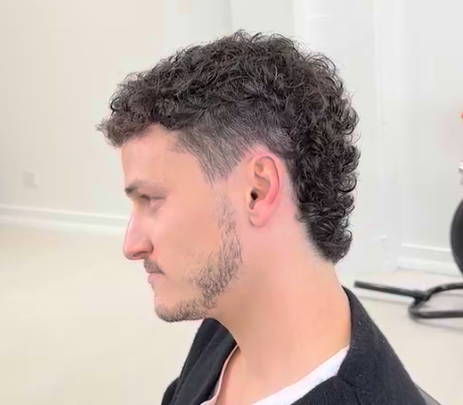
Natural curls give you built-in volume and texture. A curly mullet can look incredible with minimal styling—just define and hydrate.
Scrunch in cream, diffuse in sections, and let the texture do the work.
Thick hair
Great for volume, but the sides can puff quickly.
Ask your barber to remove internal weight. Consider a taper fade or low fade for cleaner contrast.
Face shape basics
Oval and oblong faces handle most mullet shapes well.
Round faces benefit from more height at the crown and tighter sides to create length. Long faces look better with a softer taper and less vertical emphasis on top.
Bring reference photos to your barber—front, side, and back—so you're both working toward the same silhouette.
The Maintenance System That Makes a Corporate Mullet Work
Here's what separates a mullet that holds up from one that falls apart: a simple, repeatable routine.
Not ten products. Not a 30-minute process. Three simple phases that keep your hair looking intentional every day—and keep this hairstyle genuinely low-maintenance.
Phase 1: The Reset (Wash Days)
You don't need to wash your hair every day. For most guys with a corporate mullet, every two to four days is enough.
What matters is how you reset.
Traditional shampoos use sulfates to strip oil. They work, but they work too well. Your scalp overcompensates, producing more oil than before.
A proper reset cleans without stripping. It removes buildup and excess oil while leaving your scalp balanced so you stay fresher, longer.
💧This is where a sulfate-free cleanser earns its keep. The Wash does the job without drying your scalp out or starting the grease cycle over again.
Phase 2: Control Without Grease (Hold Days)
After a reset, you need hold—but the wrong kind will undo everything.
Stiff pomades and high-shine gels don't belong in a corporate mullet. They create texture that looks frozen, not natural. And they build up fast, which means more washing, which restarts the greasy cycle¹.
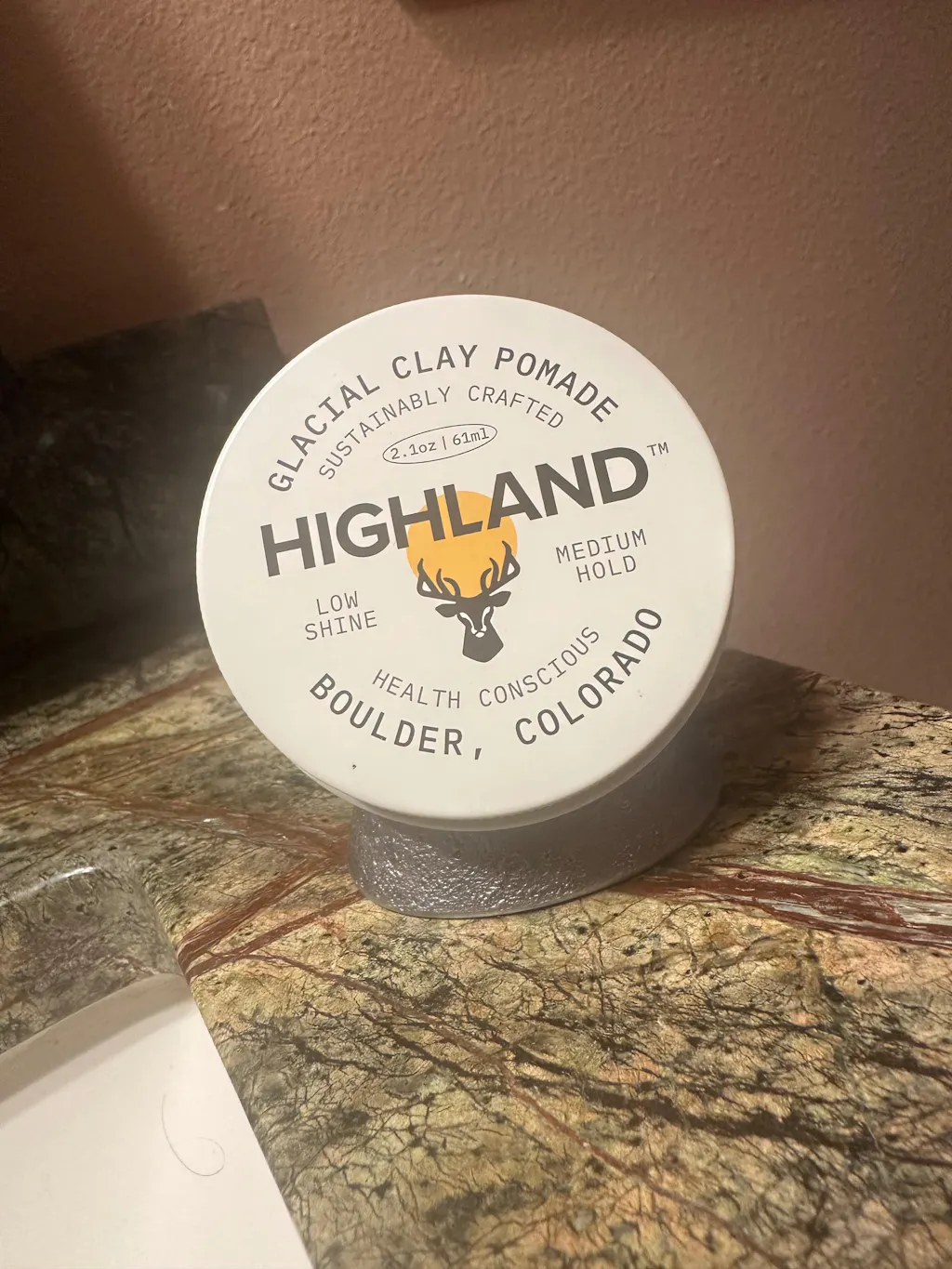
What works: a medium-hold product with a matte or low-shine finish. Something you can rework through the day without piling on more product.
🧴Glacial Clay Pomade handles this well. It holds shape without crunch, controls flyaways without shine, and washes out clean when it's time to reset.
The texture stays workable. Your hair still moves, but it doesn't lose structure.
Phase 3: Soft Structure (Between Days)
Days two and three are where most mullets fall apart. Without the right maintenance, hair either goes flat or turns into a frizzy mess.
The fix is lightweight hydration that keeps hair soft and defined without weighing it down.
A small amount of Glacial Cream works here. Apply to towel-dried or dry hair. Work it through the mid-lengths and back.
It controls frizz, adds subtle texture, and keeps things looking put-together without the stiffness of traditional styling products.
Between-day maintenance isn't about starting from scratch. It's about refreshing what's already there.

Maintenance Tools That Make This Easier
You don't need a barbershop setup. But a few basics help:
Blow-dryer with a nozzle attachment
Essential for building crown volume. Blow-dry upward or flip your head upside down to lift the roots.
Diffuser (for wavy/curly hair)
Dry in sections to maintain definition without disrupting curl pattern.
Sea salt spray
Adds texture and grip before styling. Good for creating a base on freshly washed hair.
Texture powder
Quick volume boost at the roots. Also absorbs oil on day two or three.
Mousse (for longer hair or finer textures)
Lightweight hold that won't weigh down a medium length or long mullet.
Heat protectant
If you're blow-drying regularly, use one. Hair damage shows up fast on a cut that depends on healthy texture.
Smoothing serum (optional)
A drop on flyaways keeps things professional without adding weight.
What to Say to Your Barber (So You Don't Sabotage Yourself)
A bad barber conversation can undo everything. Here's what to say:
"Keep the sides tight, but don't fully disconnect them."
A hard disconnect (shaved sides, long back) is tougher to maintain and reads as more extreme in professional settings.
A taper fade, low fade, or even a burst fade mullet gives you the contrast without the edge.
"I need volume at the crown—don't thin it out."
🌱Thinning the top makes the mullet look flat. Volume at the crown is what balances the longer back.
"Take weight out of the back, but keep the shape."
Bulky mullets look unkempt. Your barber should remove internal weight with blended layers, not just hack at the length. You want a clean mullet shape—not a shaggy mullet that's lost its structure.
"I'll come back in about four to six weeks."
That's the typical maintenance cadence for keeping a professional mullet dialed. Let it go longer and you lose the structure.
What not to say:
"Just clean it up."
Too vague. You'll leave with a different cut every time.
"I want it longer in the back."
Length isn't the point. Shape is. Let your barber determine what length supports the silhouette you're after.
And bring reference photos. Front, side, back.
Barbers aren't mind readers, especially if you're going for something other than the old school mullet or traditional mullet shape.
When You Should Not Wear a Corporate Mullet
A professional mullet can work in most environments—but not every situation.
Job interviews. Even in creative industries, a first impression isn't the time to test boundaries. Play it safe until you understand the culture.
Conservative industries. Law, traditional finance, and certain healthcare settings still lean formal. A mullet, even a well-maintained one, can create unnecessary friction. The "business in the front, party in the back" vibes don't always land in court or boardrooms.
Early-career roles. When you're still building credibility, your appearance carries more weight. Senior employees have more latitude than someone six months into the job.
If you're in one of these situations, you don't have to cut the whole thing off. Mute it instead.
Slick the back down with a lightweight cream. Let the sides grow out a bit. Reduce the contrast.
You can "turn down" a mullet temporarily without losing the cut. Then dial it back up when the context feels more laid-back.
The Bottom Line
Corporate mullets don't fail because they're unprofessional. They fail because the maintenance isn't there.
The mullet shape drifts. The texture turns greasy or goes flat. The finish catches the wrong light, and suddenly you're the guy who "has a mullet" instead of the guy who looks sharp.
Reset with something that cleans without stripping. Style with matte, flexible hold that moves with your hair. Refresh between days with lightweight structure that doesn't build up.
✨No complicated routine. No stiff, product-heavy texture announcing itself from across the conference room.
✨Just hair that holds its shape and earns the benefit of the doubt. Every day.
💧(If you're looking for products built for exactly this kind of routine—The Wash, Glacial Clay Pomade, and Glacial Cream are a solid place to start.)