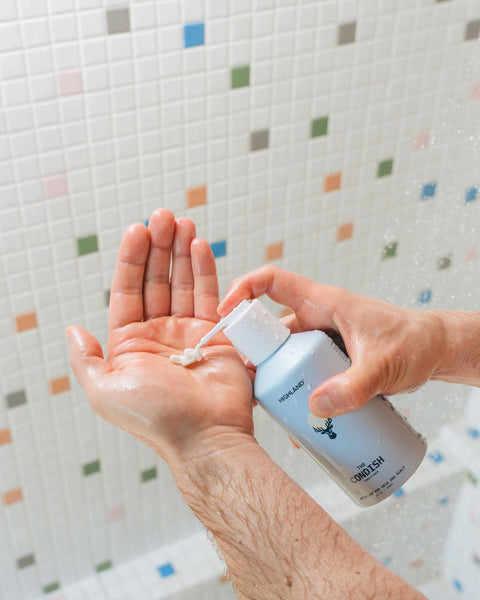
Restore Moisture and Hair Health with Conditioner for Dry Hair
Dry hair is one of the most common hair concerns out there, and it doesn't play favorites. Fine, straight, thick, curly, coily, color-treated, it'll find a way in.
When hair loses moisture, it gets rough, frizzy, dull, and hard to manage.
Split ends, breakage, and flat-out lack of shine are your hair's way of telling you it's not getting the hydration it needs.
The right conditioner replenishes moisture, smooths the cuticle, and makes your hair easier to manage, without leaving it heavy or greasy. Whether your dryness comes from blow drying, color processing, cold weather, or just naturally dry strands, the right formula makes a real difference.
Here's what you'll get out of this guide:
What actually causes dry hair and moisture loss
Which ingredients to look for in a conditioner for dry hair
How your conditioning routine, opens in a new tab should shift for fine hair, thick hair, and color-treated hair
When to reach for a deep conditioner, hair mask, or leave-in conditioner
The mistakes making your dry hair worse
How to build a routine that actually supports long-term hair health
Stop guessing and start conditioning your dry hair the right way. Shop The Condish and gift yourself with noticeably better hair days.
Why Hair Becomes Dry
Dry hair doesn't happen overnight. It builds up over time, as hair loses moisture faster than it can hold onto it, leaving strands rough, brittle, frizzy, and prone to damage. Knowing what's driving the moisture loss is the first step to picking a conditioner that fixes it.
Vogue points to heat styling, opens in a new tab, chemical treatments, environmental stress, and a shortage of natural oils as the usual culprits.¹
Moisture Loss and the Hair Cuticle
Think of your hair cuticle as the roof over your strands. Flat and smooth, it locks moisture in and gives you that shine you're after. Raised or damaged, and moisture escapes fast, leaving hair open to dryness, frizz, and breakage.
A quality conditioner smooths the cuticle and supports moisture retention, which is exactly why conditioning matters so much in a healthy hair care routine.
Heat Styling and Environmental Stressors
Your everyday styling habits take a toll over time. Blow dryers, flat irons, curling irons, and other heat tools chip away at moisture and weaken your hair's protective barrier.
Sun exposure, wind, cold weather, and low humidity do similar damage, especially if your hair already runs dry.
Color-Treated Hair and Chemical Processing
Color-treated hair needs extra moisture, full stop. Coloring, bleaching, relaxing, and other chemical processing change the structure of your hair shaft and speed up moisture loss.
That's why hair often feels drier right after a color appointment: the process leaves strands more porous and more vulnerable to damage.
A deeply hydrating conditioner helps counter that, supporting softness and reducing the look of damage.
Over-Washing and Harsh Shampoos
Clean hair matters, but over-cleansing works against you. Washing too often, especially with harsh shampoo, strips away the natural oils that protect and nourish your hair. This shows up most for naturally dry hair, curly hair, opens in a new tab, and color-treated hair.
Pair a gentle shampoo with a hydrating conditioner and you cleanse without wrecking your moisture balance.
What to Look for in a Conditioner for Dry Hair
Not every conditioner brings the same level of hydration to the table. If your hair feels dry, brittle, frizzy, or hard to manage, the right ingredients make all the difference.
The best dry hair conditioners combine moisture-supporting ingredients, nourishing oils, and conditioning agents that soften hair while protecting it from future moisture loss.
Hydrating Ingredients
Hydration is the foundation everything else builds on. Ingredients like hyaluronic acid, aloe vera, and glycerin attract and hold moisture inside the hair shaft, which matters most for hair that's dry, rough, or dehydrated from heat styling, environmental exposure, or frequent washing.
Hyaluronic acid in particular has earned its spot in hair care because of how well it holds water. Hair experts, opens in a new tab point to it for better hydration, less frizz, more shine, and easier manageability, making it a genuine asset for anyone dealing with dryness and moisture loss.²
A hydrating conditioner is gonna give you softer, shinier, more manageable hair while supporting moisture retention over the long haul.
Argan Oil & Shea Butter
Natural oils and butters nourish hair while reinforcing moisture retention. Argan oil, coconut oil, shea butter, and cocoa-derived butters smooth the cuticle and calm frizz, thanks to the fatty acids and vitamin E packed inside them.
For thick hair, color-treated hair, and hair that's been through harsh chemical treatments, these ingredients are often exactly what's needed to bring back softness and shine.
Amino Acids & Proteins
Damaged, dry strands need ingredients that support the structure of the hair shaft itself.
Amino acids and other conditioning agents improve manageability, cut down on roughness, and support healthier-looking hair overall. This is especially important after chemical processing, heavy heat styling, or crappy weather.
Sulfate-Free Conditioner
A lot of people with dry hair prefer sulfate-free products. Sulfates show up most in shampoo, but a sulfate-free routine overall helps protect moisture retention and calm a sensitive scalp.
Pair it with a gentle shampoo and you've got a routine built for hydration, baby.
The goal is a routine that supports your hair's hydration and health over time.
At Highland, we believe great hair starts with the right care.

Conditioner for Dry Hair Types
Dry hair doesn't stick to one hair type. Fine hair, thick hair, straight hair, opens in a new tab, curly hair, coily hair, and color-treated hair can all run dry. The difference is what level of hydration each one needs.
Fine Hair
Fine hair needs a balance between hydration and volume. Rich conditioners can weigh fine strands down fast, leaving hair flat or greasy.
Lightweight hydration from ingredients like aloe vera and hyaluronic acid restores moisture without sacrificing movement or body.
Thick Hair
Thick and medium hair types often need more intensive support. More hair means more to nourish, so richer ingredients like argan oil, shea butter, and coconut oil earn their place here, smoothing the cuticle, cutting frizz, and improving softness.
If your thick hair runs coarse or dry, a deep conditioning treatment is worth adding to the mix.
Color-Treated Hair
Color-treated hair needs extra hydration and protection, full stop. Chemical processing increases moisture loss and leaves hair more vulnerable to dryness, split ends, and breakage.
A deeply hydrating conditioner with amino acids and moisturizing ingredients helps keep strands looking healthy between salon visits.
Whatever your hair type, the best conditioner gives you exactly the moisture you need, no more, no less, without weighing you down.
How to Use Conditioner on Dry Hair
A great conditioner can't save a routine that's working against it. A few small changes to how you use it make the difference between hair that's temporarily soft and hair that holds onto moisture.
Rinse With Cool Water, Not Hot
Hot water feels great in the shower and does your dry hair zero favors. It opens the cuticle wider than it needs to be, which lets moisture straight back out the door you're trying to close.
Finish your rinse with lukewarm or cool water instead. It helps the cuticle lie flat, which is exactly what locks hydration in.
Give Your Ends the Extra Time They Need
Your ends are the oldest, driest part of your hair, and they need more than a quick pass. Focus your conditioner there, let it sit a few extra minutes, and resist the urge to rinse the second you've applied it.
Roots rarely need the help. Ends almost always do.
Deep Condition Before Your Hair Asks You To
Waiting until your hair feels like straw is waiting too long. A deep conditioner or hair mask once a week keeps dryness from building up in the first place, especially if you're coloring, heat styling, or fighting dry winter air.
Think of it as maintenance, not rescue.
Don't Undo It With a Harsh Shampoo
The best conditioner in the world can't outwork a shampoo that strips everything back out. Pair it with something gentle, and you stop fighting your own routine.
That pairing, not any single product, is what actually keeps dry hair under control long term.
No silicones or sulfates. Just real hydration. Shop The Shower Ritual featuring Highland's The Wash and The Condish.
What's Quietly Keeping Your Hair Dry
You can buy the best conditioner on the shelf and still stay dry if a few habits are working against you behind the scenes.
Cranking the Heat Too High
It's not heat styling itself that wrecks dry hair, it's the setting. Most tools run hotter than your hair actually needs, and that extra heat is doing damage without adding any extra style.
Turn the dial down a notch, keep the tool moving instead of holding it in one spot, and you'll get the same result with a lot less strain on your cuticle.
Toweling Your Hair Dry Like It Owes You Money
Rubbing wet hair with a towel feels efficient. It's actually one of the roughest things you can do to it.
Wet hair is at its most fragile, and friction at that stage roughens the cuticle before it even gets a chance to dry.
Squeeze, don't rub. A microfiber towel or an old t-shirt does the job with a fraction of the damage.
Washing Out of Habit, Not Because You Need To
Not every day needs to be wash day. Washing on autopilot strips oils your hair was still using, especially if your hair already runs dry.
Stretch the gap where you can, and let your natural oils finish the job your conditioner started.
Layering New Product on Top of Old Without Rinsing
Adding a fresh leave-in or oil on hair that's still coated from yesterday doesn't add hydration. It just adds another layer on top of the layer already blocking moisture from getting in.
Clear that buildup first, champ. Otherwise your conditioner is working through a wall it can't get past.
The Condish is Superior, Here's Why
Finding a conditioner for dry hair isn't about grabbing the richest formula on the shelf.
The best ones balance hydration, nourishment, and manageability without heavy residue or buildup, especially for fine hair, color-treated hair, curly hair, and hair worn down by heat and weather.
Hydration Without the Buildup
That's the whole point behind The Condish. It's vegan, sulfate-free, and built with cupuaçu butter, babassu oil, hydrolyzed jojoba protein, rosemary oil, and caffeine, ingredients chosen to support hydration, softness, and overall hair health without weighing hair down.
The Condish skips silicones, sulfates, and synthetic fragrances that lead to buildup or that coated, heavy feeling. What you get instead is deep hydration, real softness, shine, and movement.
Heat styling, color processing, seasonal weather, or plain everyday wear and tear, The Condish is built to help your hair through all of it.
Time to Restore Moisture & Softness
Dry hair doesn't have to be something you just live with. The right conditioner replenishes moisture, smooths the cuticle, reduces frizz, and makes your hair easier to manage. Add in healthy styling habits and a consistent routine, and the difference shows.
Ready to feel it for yourself? Shop The Condish now.
References
- vogue.com/article/how-to-hydrate-hair
- instyle.com/hyaluronic-acid-for-hair-8697578
Make it Highland
The Condish
Deeply hydrates, strengthens, detangles, and protects your hair against frizz.
The Wash
Deeply hydrates, detoxifies, and enriches your hair.
Pomade
For sleek, structured styles that hold their shape.

Hair Cream
For effortless, touchable styles with natural movement.

Want Only the Best for Your Hair?